Before the Inspector Walks In: The Factory Prep List That Saves You a Day
The inspector cleared the gate and then stood in an empty bay for two hours. The order existed — 3,200 units finished and wrapped — but they were split across three buildings, nobody could produce the approved artwork, and the only manager who could authorise a rework was on a train to Ningbo.
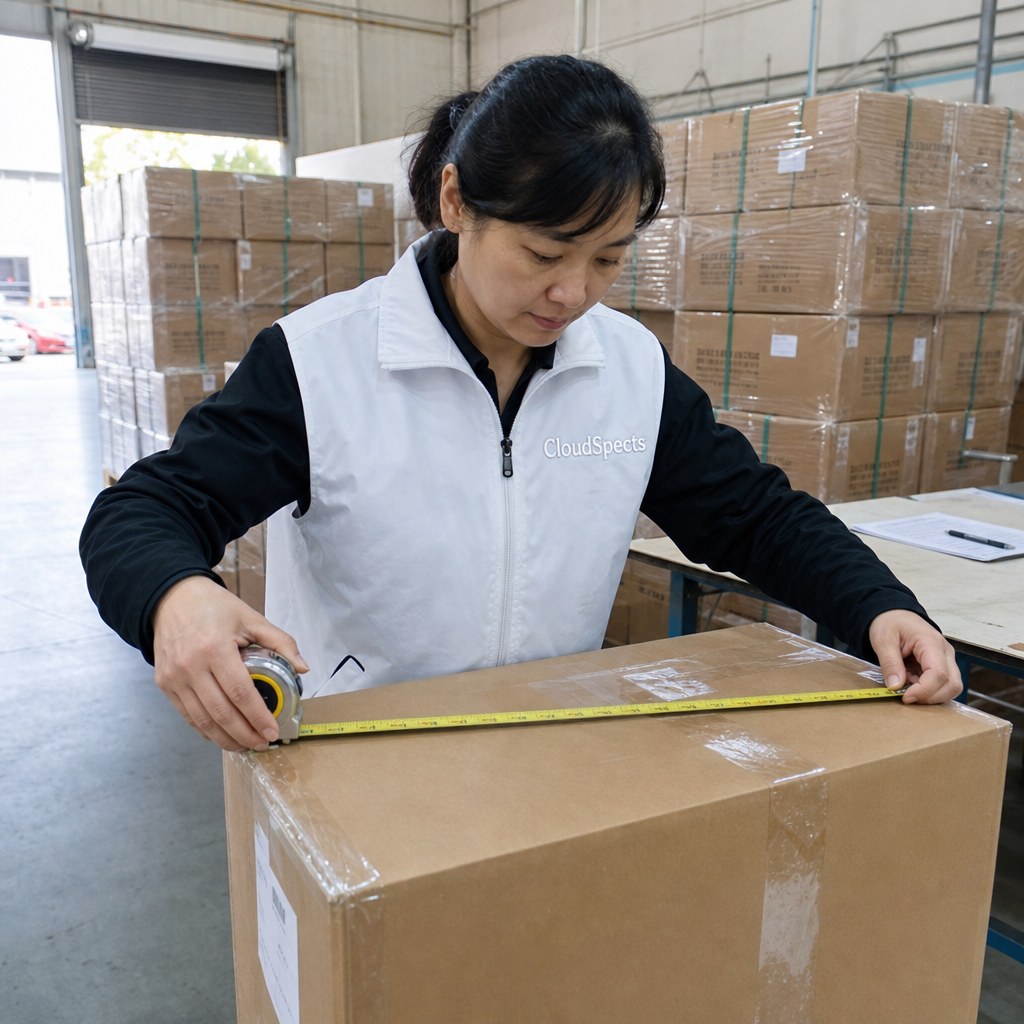
The inspector cleared the gate and then stood in an empty bay for two hours. The order existed — 3,200 units finished and wrapped — but they were split across three buildings, nobody could produce the approved artwork, and the only manager who could authorise a rework was on a train to Ningbo. By four in the afternoon the visit delivered a partial report and a second booking. Nothing was wrong with the product. The day was lost to preparation. The pages behind china pre-shipment inspection explain how a batch is sampled and judged; this article is about everything that has to be true before the first measurement — the half of inspection quality the buyer actually controls.
We run 2,000+ inspections a year from $169 per man-day, and a report typically lands within 24 hours of the visit. But a report can only be as complete as the day allows. Preparation is not administration; it is the difference between nine hours of evidence and four.
🎯 What Goes Wrong When Nobody Prepares
| What is missing | What it looks like at 10 a.m. | What it costs you |
|---|---|---|
| Goods not staged | Finished stock in three buildings, half still on the line | The sample is drawn from the easy 40%, so the lot is judged on a slice |
| No packing list | Carton numbers cannot be tied to the order | No way to prove what will actually ship |
| Artwork not on site | Print, label and barcode checked against memory | A wrong-version label sails through unnoticed |
| No escort or access | Inspector waits at reception, or is walked past one clean line | Random selection quietly becomes a guided tour |
| Nobody with authority | Rework, hold or re-sort cannot be agreed on the spot | Findings become a second visit and a second fee |
📋 The Pack: What to Send Two Days Ahead
One: the purchase order with the revision number that actually governs the run. Two: the approved specification and the packaging artwork, in the version the factory signed. Three: a packing list showing carton numbers, units per carton and gross weight. Four: where the sealed golden sample lives, and its code, so it can sit next to production units on the bench. Five: the bill of materials for anything bought separately — hardware bags, adapters, spare parts. Six: a named contact with a phone number who will be on site that day, plus a second name who can be reached if the first is travelling.
None of this is bureaucracy. Each line removes a question the inspector would otherwise have to answer by assumption, and assumptions are what make two reports of the same lot disagree.
🏭 The Floor: What Should Be Ready When the Inspector Arrives
Finished goods in one place, packed to the shipping standard, in sealed cartons — not in three warehouses and not on the line. The factory's own gauges and the functional test fixtures on the table, so a measurement can be repeated with a second instrument rather than argued about. Access to the storage area as well as the production floor, because that is where the oldest stock hides. And one person who can say yes to rework, yes to a hold, and yes to re-sorting without calling head office.
If sampling is on the agenda, agree the plan in advance rather than on the day. Our AQL calculator gives the sample size and accept number for the lot in a few seconds; a supplier who has seen the numbers before the visit argues about defects instead of about arithmetic.
📐 The Arithmetic of a Lost Day
Take the order above: 3,200 wall-mounted storage units at a $13.40 FOB, roughly $42,880 of goods. Because the stock was scattered, the inspector could sample only what was staged — a pass on a fraction of the lot, with the rest unverified. The bill arrived in three parts: a second visit at $169 per man-day, two days of delay that pushed the booking into a tighter sailing, and a report the buyer could not fully rely on. The fix would have been about an hour of factory labour: move the stock, tape a carton number to each pallet, print the packing list.
🧭 The Same Order, Prepared
Now compare a supplier we worked with in September on 2,900 storage racks. The day before the visit they pulled every finished carton into one bay, numbered each pallet, laid the sealed sample and the artwork on a table by the door, and left a production manager on site. The inspector had drawn a full sample of 125 units and finished the drop test on the bottom carton of a stack before two in the afternoon, then used the remaining hours on the parts that matter most — hardware bag counts, finish under inspection light, and a check of the oldest cartons. The report went out that evening. Same product family, same fee, twice the coverage.
⚠️ Preparation Does Not Make a Good Product
Be clear about what this fixes. Staging and paperwork protect the evidence: they let a fair sample be drawn and a fair verdict be recorded. They do not turn thin steel into thick steel or a cold solder joint into a sound one. A tidy, well-prepared factory is not automatically a compliant one — and an inspector who lets preparation substitute for measurement has stopped inspecting. Preparation is what makes the measurement possible.
If you want the checklist that runs the other way — what the report must contain, what the man-day covers and how to book a visit, the pricing page lays out the man-day rates and the contact page gets a date on the calendar. Give the factory a two-day head start and the same fee buys a materially better day.
❓ FAQs
How far ahead should I tell the factory about an inspection?
Two working days is usually enough for a supplier to stage finished goods, find the sealed sample and print the packing list. On a first order with a new factory, a week is safer, because they may not yet have a golden sample or a signed artwork file on site.
What if the factory says the goods are not ready yet?
Then say so before the inspector travels. A visit to a partial lot can still be useful, but the report has to be written around what was actually present, and the balance needs a second visit. Discovering it at the gate wastes a man-day you have already paid for.
Does a prepared factory get an easier verdict?
No. Preparation changes what can be sampled and measured, not the standard applied. In practice a well-prepared factory is often judged more strictly, because the inspector can reach the older cartons and the whole quantity instead of a convenient slice.
Who should be available on the factory side?
Someone with authority to approve rework, a hold or a re-sort, and someone who can answer questions about the bill of materials and the export paperwork. If both are travelling the same day, the visit usually ends in an unresolved list.
Can I prepare the factory without physically being there?
Yes. Send the document pack by email and confirm it has been received, then ask for two photographs the day before — the staged finished goods and the sealed sample next to the artwork. A two-minute check on your phone prevents most wasted visits.
Frequently asked questions
How far ahead should I tell the factory about an inspection?
Two working days is usually enough for a supplier to stage finished goods, find the sealed sample and print the packing list. On a first order with a new factory, a week is safer, because they may not yet have a golden sample or a signed artwork file on site.
What if the factory says the goods are not ready yet?
Then say so before the inspector travels. A visit to a partial lot can still be useful, but the report has to be written around what was actually present, and the balance needs a second visit. Discovering it at the gate wastes a man-day you have already paid for.
Does a prepared factory get an easier verdict?
No. Preparation changes what can be sampled and measured, not the standard applied. In practice a well-prepared factory is often judged more strictly, because the inspector can reach the older cartons and the whole quantity instead of a convenient slice.
Who should be available on the factory side?
Someone with authority to approve rework, a hold or a re-sort, and someone who can answer questions about the bill of materials and the export paperwork. If both are travelling the same day, the visit usually ends in an unresolved list.
Can I prepare the factory without physically being there?
Yes. Send the document pack by email and confirm it has been received, then ask for two photographs the day before — the staged finished goods and the sealed sample next to the artwork. A two-minute check on your phone prevents most wasted visits.