A supply-chain turning point

The container date was near. Then the inspection report turned red.

The goods were finished. The shipping plan was waiting. Then the report arrived marked FAIL, with red arrows pointing to the problems. Do you quietly ship and hope for the best—or stop, push for a real fix and verify it before release?

Act 1 · The Fail report

This is the evidence that stopped release.

A report turns a worrying feeling into specific, traceable findings—and gives the buyer a clear basis for action.

OVERALL RESULT: FAIL

Pre-shipment inspection evidence

Selected, decision-relevant findings from the public report.

View full public report
Inspection typePre-shipment inspection
Inspection standardISO 2859-1 / AQL
DecisionHold shipment for correction
Visual & workmanshipFAIL
Quantity detailON HOLD
Color & styleON HOLD
Packing / labeling checksPASS
Report findingWhat it meansRequired response
Dent marks, dirt and foldsVisible workmanship defects across inspected samplesClean, repair or replace affected units
Pinhole and surface-line defectsFinish did not meet agreed appearance expectationsRework and recheck against original points
Label-orientation inconsistencyFinal assembly detail required correctionCorrect placement and verify production consistency
Before · Report evidence

Every red arrow becomes a line item for correction.

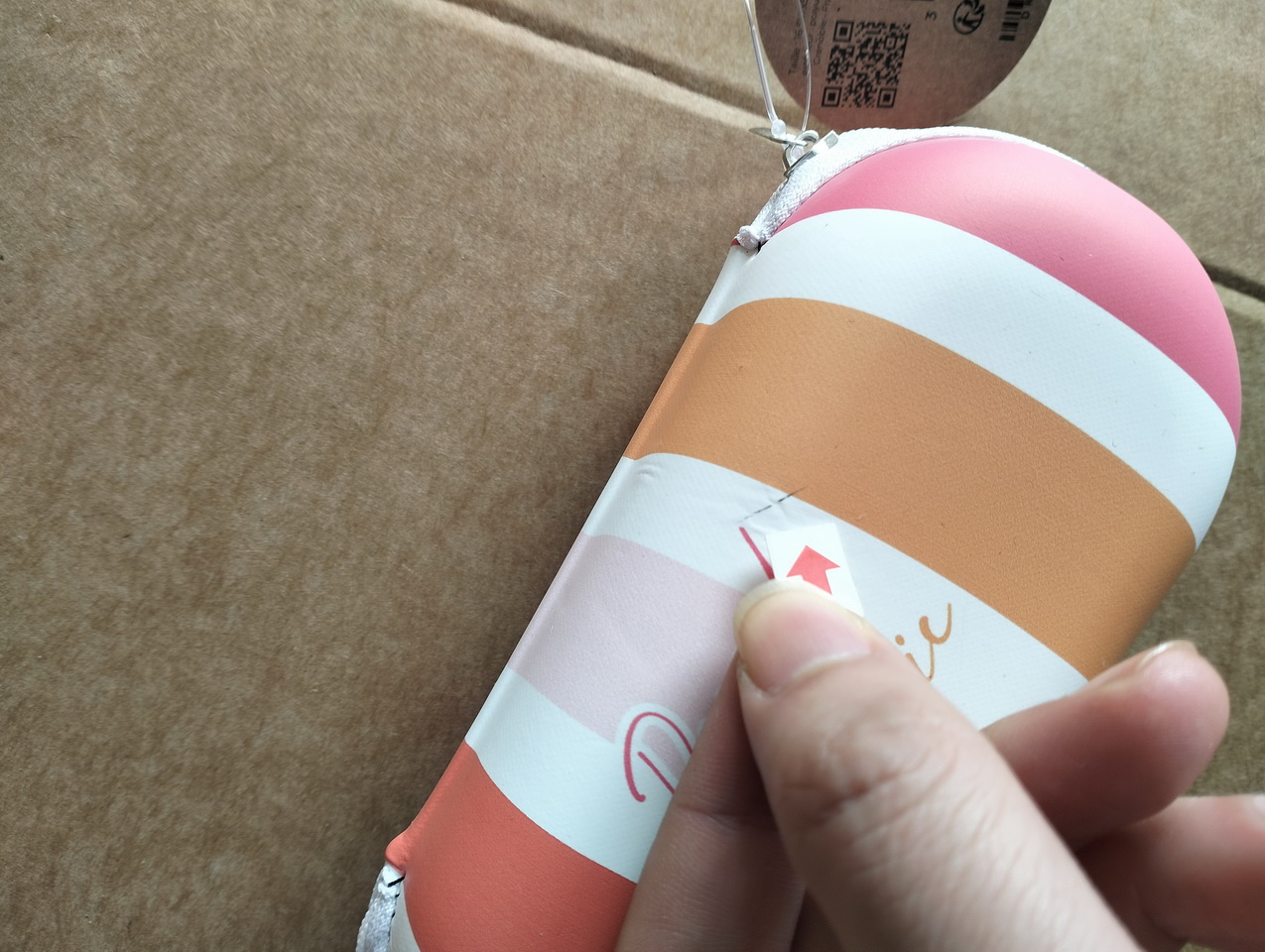
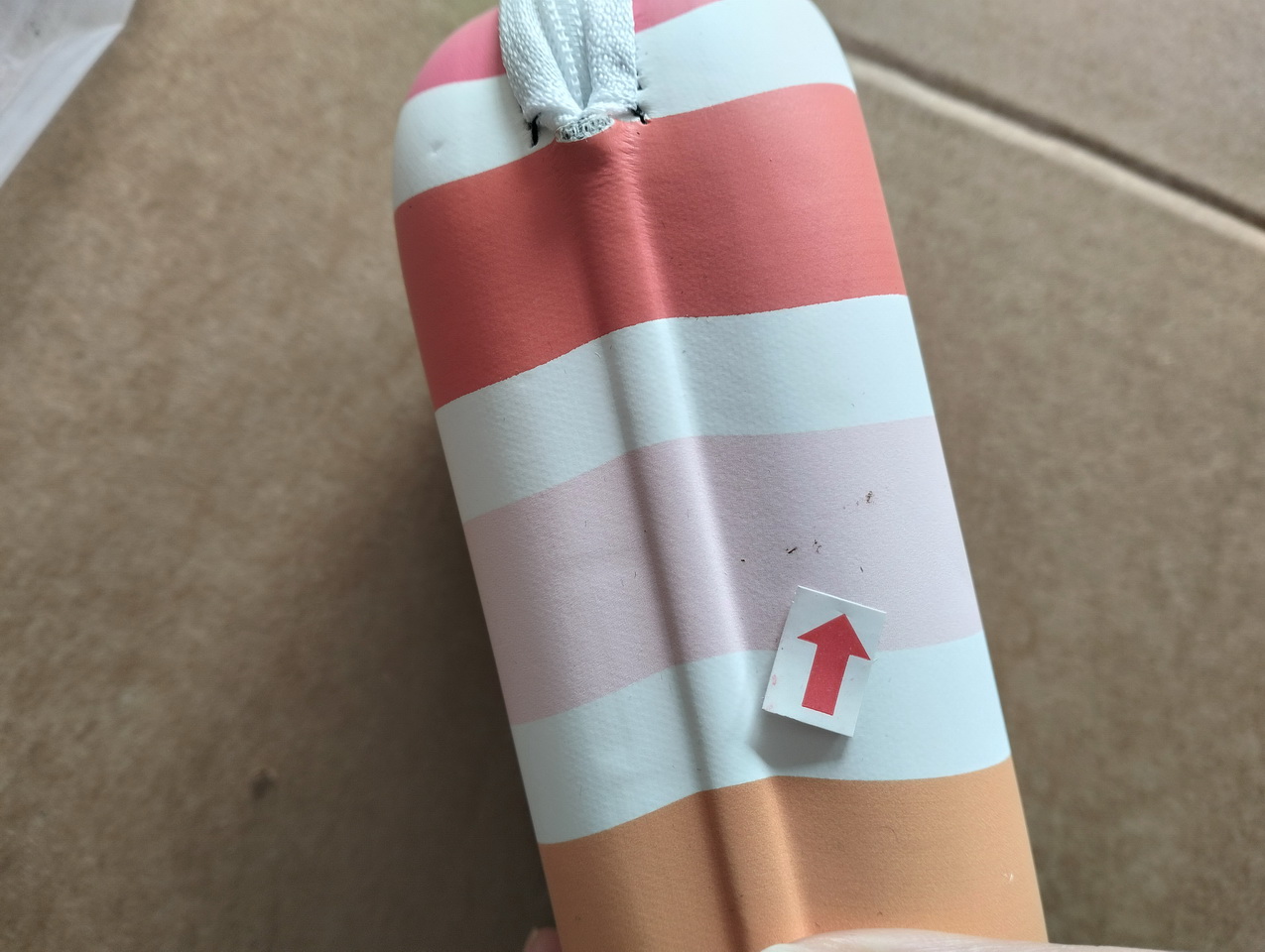
These defect images explain why the report could not be ignored. They are the concrete starting point for the factory’s corrective-action plan.

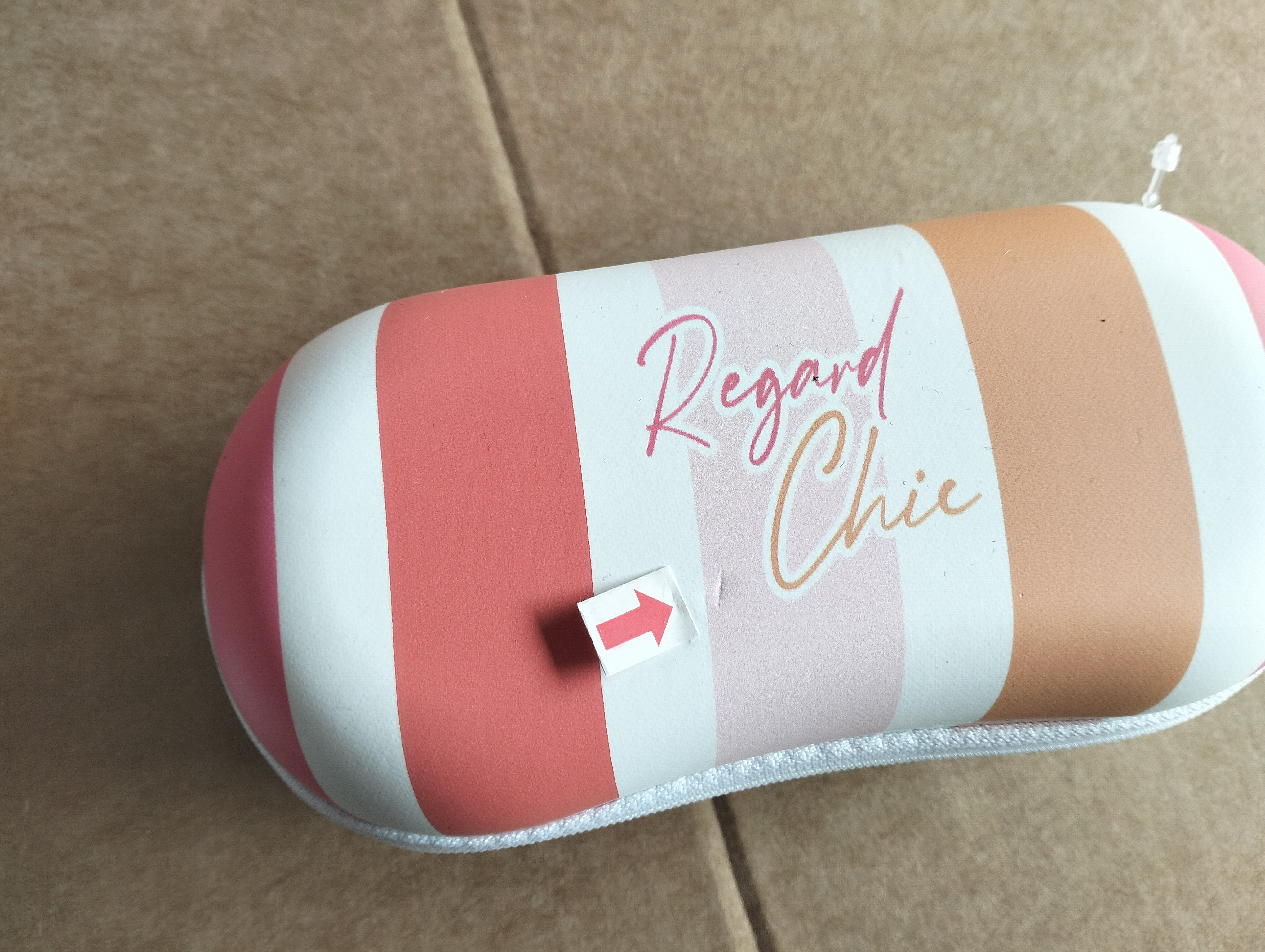
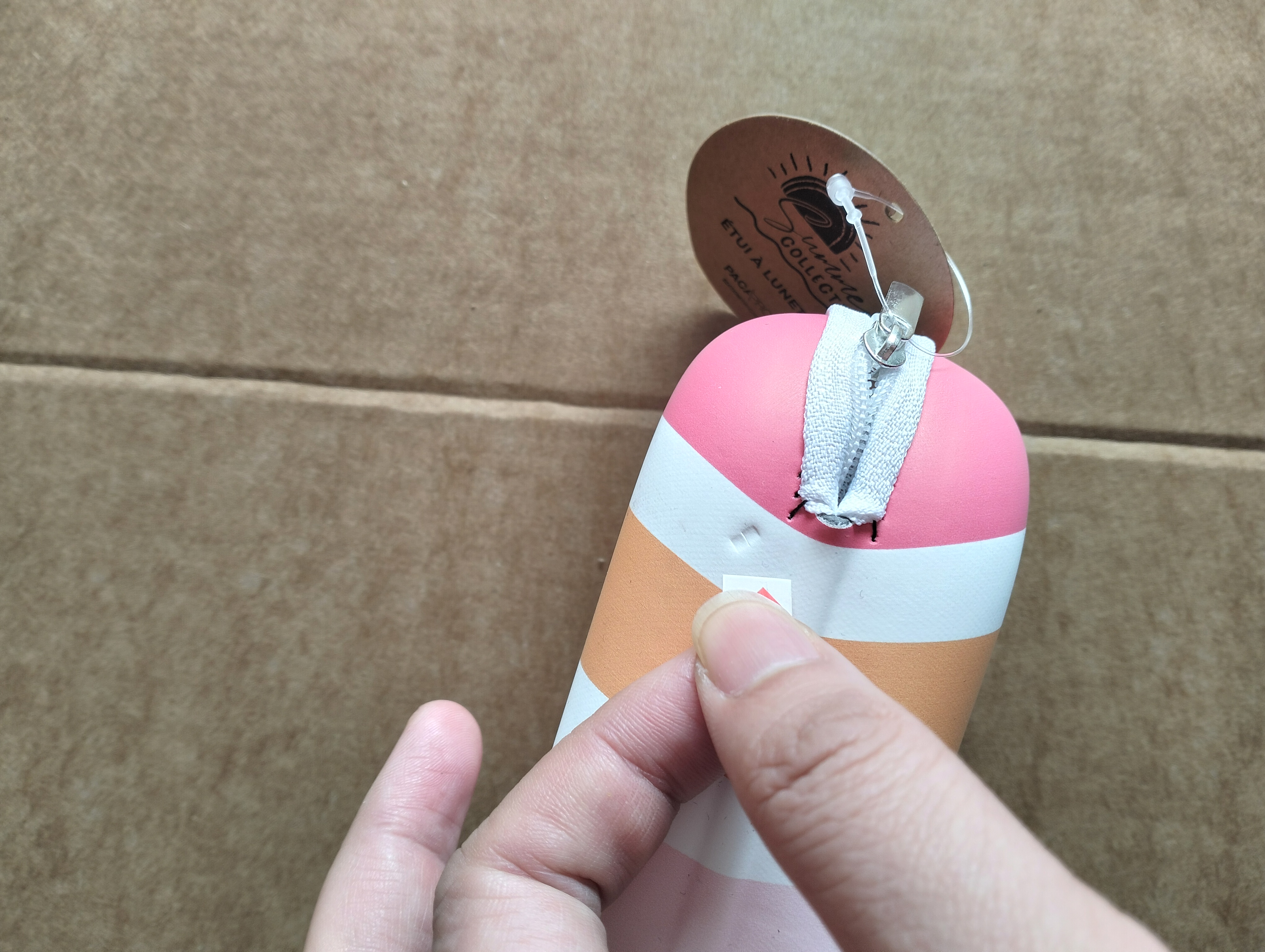
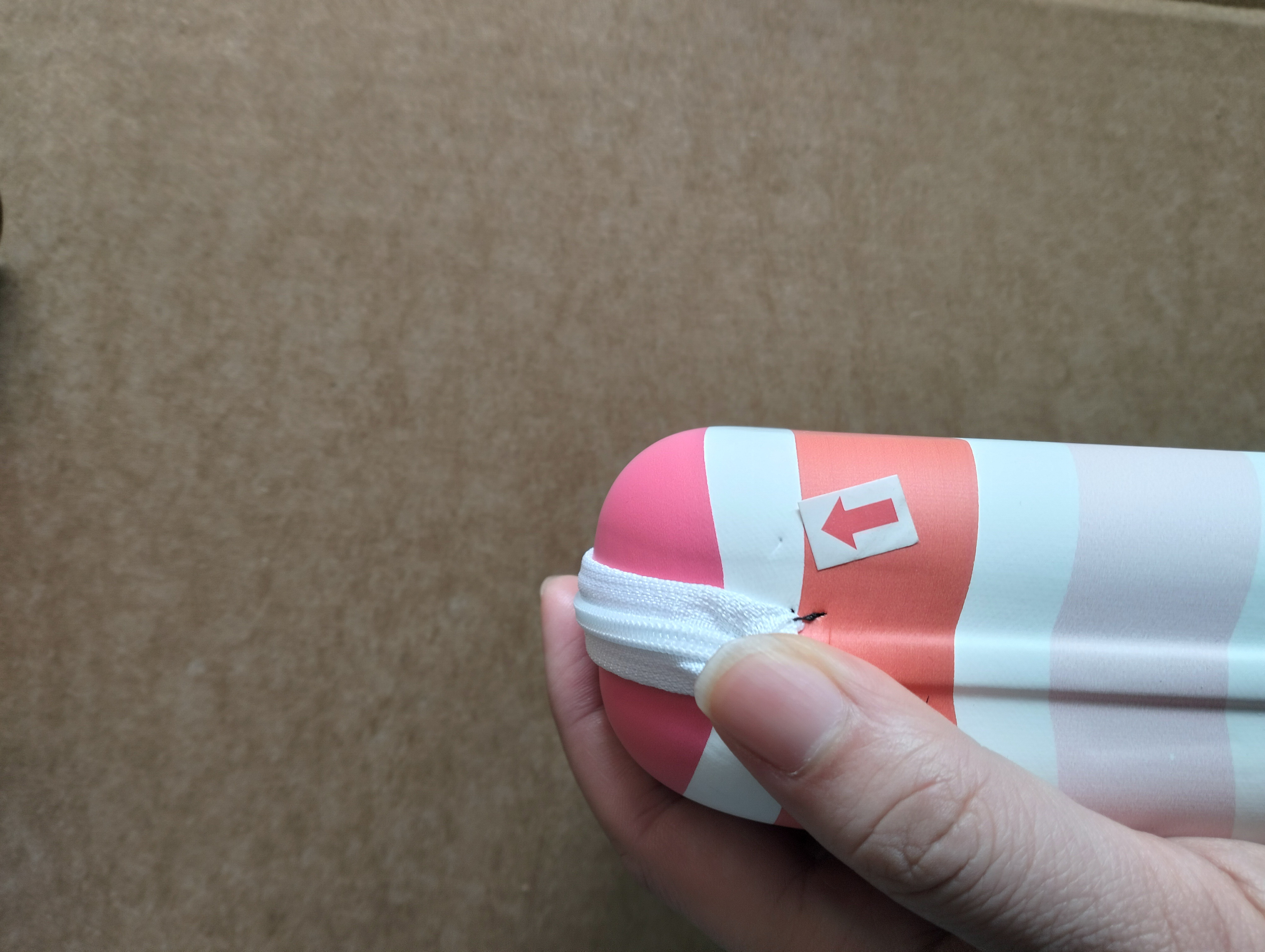
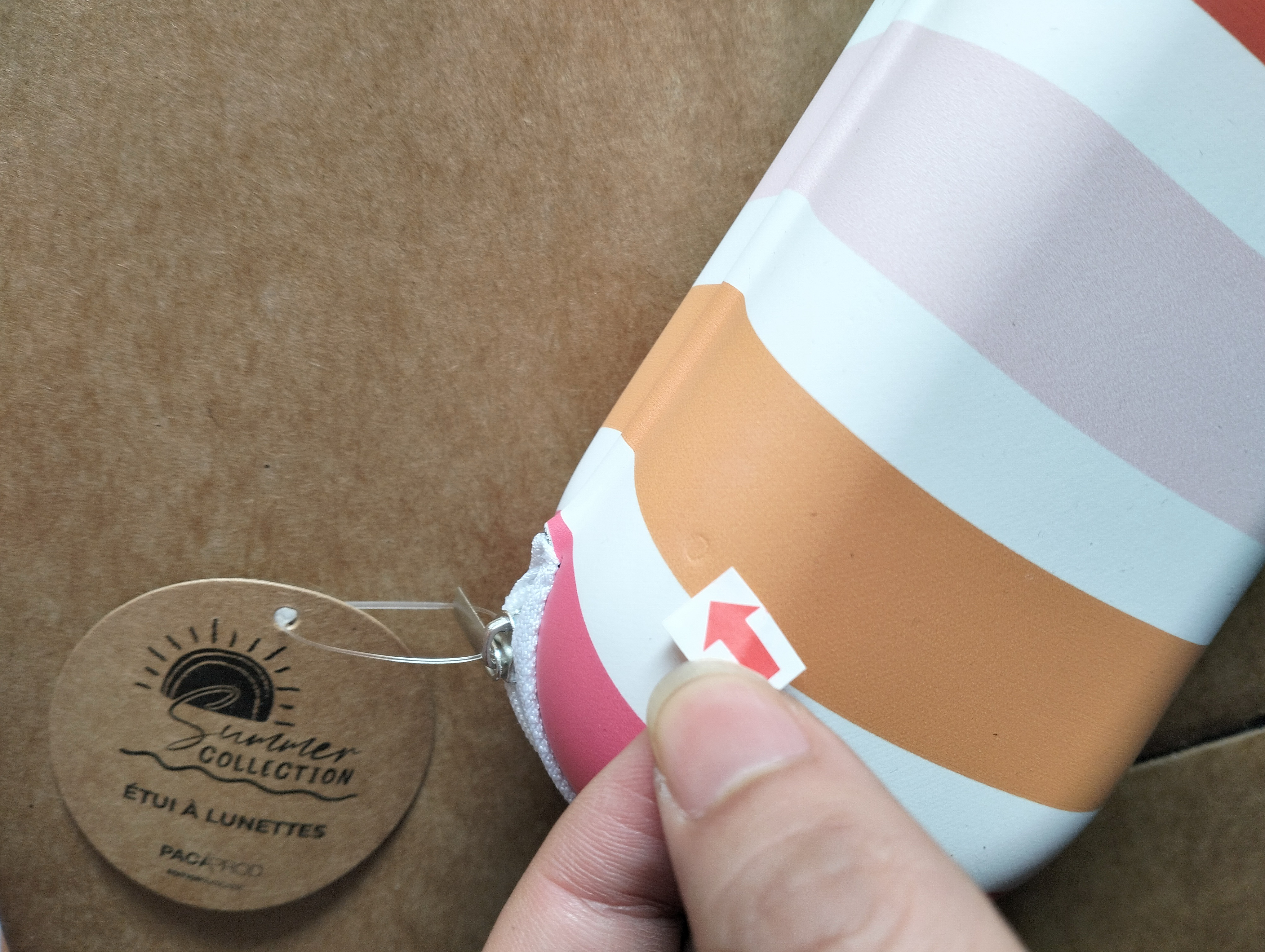
Defect photo with red arrow marking a dent
Dent markA visible defect that must be addressed before shipment.
Defect photo with red arrow marking surface dirt
Surface dirtFinished goods must be clean and customer-ready.
Defect photo with red arrow marking a fold
Fold or deformationA shape defect that challenges the quality promise.
Defect photo with red arrow marking label orientation
Label orientation issueA final-assembly detail that must be corrected consistently.
Defect photo with red arrow marking a pinhole
PinholeA small flaw that is easy to miss without inspection.
Defect photo with red arrow marking a further workmanship issue
Recorded—not ignoredEach marked point enters the correction checklist.
Act 2 · Rework with evidence

The report is not a verdict. It is the negotiation tool.

Instead of accepting “it is fixed,” the buyer uses the exact report findings to define what correction and verification must look like.

The conflict: a shipment can still look “on schedule” while quality problems are already locked inside the cartons. Sending it anyway may protect today’s shipping date, but it transfers the risk to the customer, the warehouse and the brand. In this anonymized scenario, the buyer chooses to stop, verify and correct—not to gamble.
1

Hold the shipment

Do not let a container deadline change a Fail result into a release approval.

2

Demand a corrective-action plan

Each report finding maps to a factory action: replace, repair, clean, reposition or recheck.

3

Schedule targeted re-inspection

The original report becomes the checklist for confirming that the correction is real.

After · Pass release evidence

Do not believe “it is fixed.” Believe what has been re-inspected.

The follow-up report closes the evidence chain: original defects checked again, corrected lots re-sampled, and shipment readiness confirmed before release.

What a documented PASS must prove before release.

A Pass result is not a factory promise. It is the documented outcome of checking the reworked goods against the same fail points that stopped the original shipment.

  • Original failure points checked again
  • Corrected units and workmanship re-sampled
  • Packing, quantity and relevant measurements reconfirmed
  • Re-inspection result recorded as Pass before release
  • Photos and findings retained for traceability
  • Buyer receives evidence for the shipment decision
The conclusion

Do not turn a Fail report into a shipment approval

The value of re-inspection is the evidence-based final decision: fix the problems at the factory, verify the corrections, then ship with a documented Pass.

01

Fail gives you leverage

Raise quality concerns while the factory still has the goods, team and materials needed to correct them.

02

Re-inspection validates the fix

Do not rely only on a factory promise. Check the corrected goods against the original failure points.

03

Pass supports the release decision

Ship only when the buyer has current inspection evidence that the agreed acceptance criteria have been met.

Fail is not the end of the story. It is the start of a stronger quality loop.

When a buyer, factory and inspector use the same evidence to find problems, correct them and verify the correction, a difficult order can produce a clearer quality standard for the next one. That is not just firefighting—it is supply-chain management that becomes stronger under pressure.